The Role of Welding in Pipe Fabrication Success
Understanding Pipe Fabrication and Its Importance
Overview of Pipe Fabrication
Pipe fabrication is a crucial process in various industries, including construction, oil and gas, and manufacturing. This process involves cutting, bending, and assembling pipes to create functional piping systems that transport fluids and gases. Each project requires precise specifications to ensure safety and efficiency. Pipe fabrication not only demands high-quality materials but also skilled craftsmanship to meet the required standards. The integration pipe fabrication shops of advanced technologies, such as CAD software and CNC machinery, enhances the precision of pipe fabrication. These innovations streamline the production process, reduce errors, and improve overall project timelines.
Key Materials in Pipe Fabrication
Different materials serve distinct purposes in pipe fabrication, impacting both functionality and cost. Common materials include steel, stainless steel, copper, and PVC. Steel pipes dominate the market due to their strength, durability, and versatility. Stainless steel, resistant to corrosion, is ideal for applications in harsh environments. Copper pipes, while expensive, offer excellent thermal conductivity and are often used in plumbing systems. PVC pipes are lightweight and cost-effective, suitable for drainage systems. The choice of material is pivotal in determining the performance and longevity of the piping system, directly influencing project success.
The Significance of Steel Pipes in Fabrication
Steel pipes play a vital role in pipe fabrication, serving as the backbone of many industrial applications. Their high tensile strength allows them to handle high-pressure environments, making them indispensable in oil and gas extraction and transportation. Steel pipes also offer excellent resistance to impact and wear, ensuring a longer lifespan. The fabrication of steel pipes involves various processes, including welding, bending, and coating, which enhance their functionality. Moreover, the availability of different grades of steel allows for customization based on the specific needs of a project, further solidifying the importance of steel in successful pipe fabrication.
Welding Techniques in Pipe Fabrication
Common Welding Methods Used
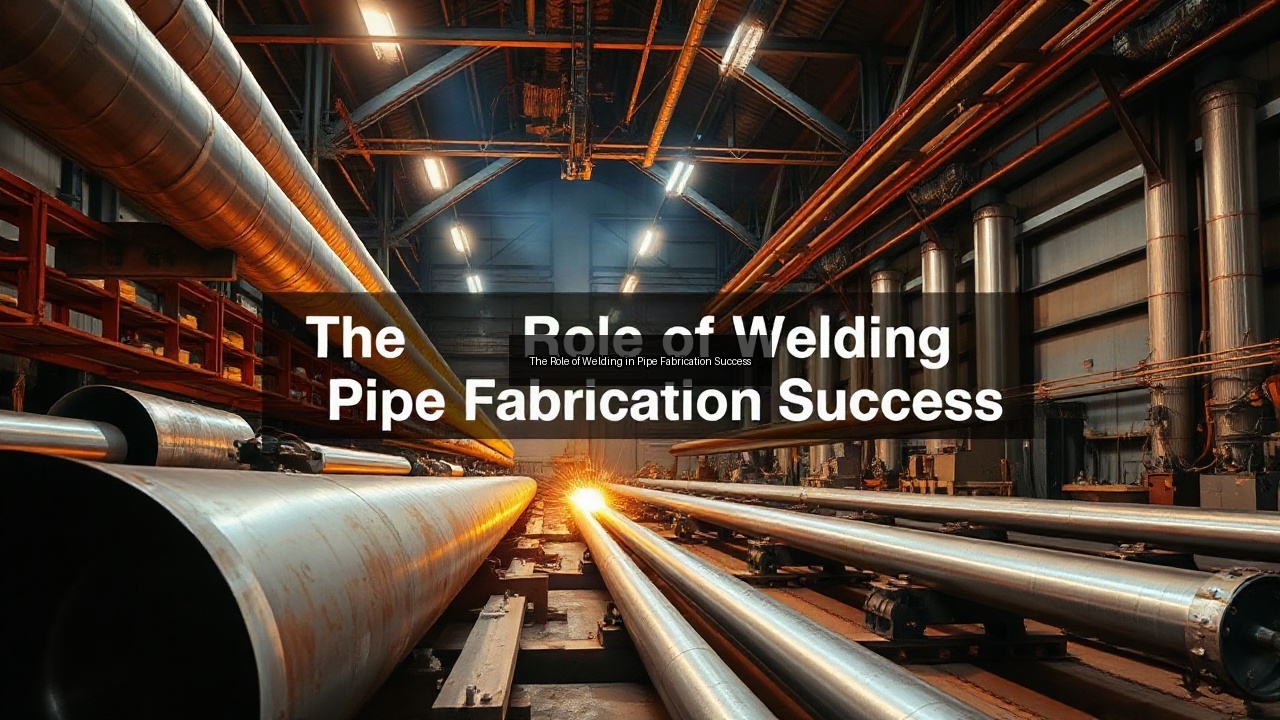
Welding stands as a cornerstone technique in pipe fabrication, providing the necessary joints and connections that ensure structural integrity. Several welding methods are prevalent in the industry, including Shielded Metal Arc Welding (SMAW), Gas Tungsten Arc Welding (GTAW), and Gas Metal Arc Welding (GMAW). Each method has its own advantages depending on the material and application. SMAW is renowned for its simplicity and versatility, making it suitable for various environments. GTAW offers precise control and is ideal for thin materials, while GMAW excels in speed and efficiency for larger projects. Understanding these methods allows fabricators to choose the best approach for each unique project.
Benefits of Welding in Pipe Fabrication
Welding in pipe fabrication offers numerous advantages that contribute to the overall success of projects. First, welding creates strong, permanent joints that withstand the pressures and stresses encountered in piping systems. This durability enhances the safety and reliability of the installation. Additionally, welding allows for flexibility in design, enabling fabricators to create complex configurations that meet specific operational requirements. The process also minimizes material waste, as it allows for precise fits and joints, reducing the need for additional components. Moreover, skilled welders can quickly adapt to various materials and conditions, ensuring timely project completion.
Challenges Faced in Welding Steel Pipes
Despite its many benefits, welding steel pipes presents several challenges that fabricators must navigate to achieve success. One significant issue is the potential for distortion during the welding process, which can affect the alignment and integrity of the pipes. This distortion often arises from uneven heating and cooling, necessitating careful control of the welding parameters. Additionally, weld quality must meet stringent industry standards to ensure safety and performance. Defects such as cracks, porosity, and incomplete fusion can compromise the joint's strength, requiring skilled quality assurance processes. Addressing these challenges involves continuous training for welders and investment in advanced welding technologies.
Choosing the Right Pipe Fabrication Company
Factors to Consider When Selecting a Fabrication Company
Choosing the right pipe fabrication company is critical for the success of any project. Several factors come into play when making this decision. First, evaluate the company’s experience and expertise in the specific type of pipe fabrication required. A company with a proven track record in handling similar projects often brings valuable insights and efficiency. Next, consider the range of services offered. Companies that provide comprehensive fabrication services, from design to installation, can offer more cohesive project management. Additionally, assess the quality of materials used and the certifications held by the fabricators to ensure compliance with industry standards.
Evaluating Pipe Fabrication Services
When evaluating pipe fabrication services, focus on the company’s capabilities and resources. Investigate their equipment and technology to determine whether they utilize modern fabrication methods that enhance precision and efficiency. Review past projects and client testimonials to gauge their reputation and reliability. Additionally, inquire about their quality control processes to ensure they maintain high standards throughout the fabrication process. A company that emphasizes safety protocols and employee training often translates to better outcomes. Assessing these elements will help in forming a clear picture of the potential fabricator's ability to meet project demands effectively.
The Role of Fabrication Shops in Project Success
Fabrication shops serve as crucial partners in the success of pipe fabrication projects. These facilities house the necessary equipment and skilled labor to produce high-quality piping systems. A well-equipped shop can handle various fabrication techniques, ensuring the flexibility to adapt to different project requirements. Moreover, fabrication shops often collaborate with engineering teams to optimize designs and streamline production processes. Their ability to provide timely delivery and efficient project management can significantly impact overall project timelines. Ultimately, selecting a fabrication shop with a strong background in pipe fabrication enhances the likelihood of achieving project goals effectively and efficiently.
Cost Considerations in Pipe Fabrication
Understanding Price Variations in Metal Pipe Fabrication
Price variations in metal pipe fabrication arise from several factors, including material costs, labor rates, and the complexity of the project. The type of metal selected significantly impacts the overall price, with steel generally being more affordable than specialty alloys. Labor costs can vary widely based on geographic location and the skill level required for specific tasks. Additionally, intricate designs or custom specifications can lead to increased fabrication costs due to additional labor and equipment needed to achieve precision. Understanding these dynamics helps project managers budget effectively and make informed decisions regarding material selection and design.
Cost-Effective Strategies for Pipe Fabrication Projects
Implementing cost-effective strategies in pipe fabrication projects can lead to significant savings without sacrificing quality. First, careful planning and design optimization can reduce material waste and lower costs. Utilizing software for design and simulation can help identify potential issues early, preventing costly revisions later. Sourcing materials in bulk or negotiating long-term contracts with suppliers can also yield savings. Furthermore, investing in skilled labor and training for employees enhances efficiency and minimizes errors. Regular maintenance of fabrication equipment ensures that operations run smoothly, reducing downtime and associated costs. These strategies contribute to a more streamlined and budget-friendly fabrication process.
Budgeting for Headers and Piping Solutions
Budgeting for headers and piping solutions requires a comprehensive understanding of both direct and indirect costs associated with pipe fabrication. Direct costs include materials, labor, and equipment, while indirect costs encompass overhead, maintenance, and project management expenses. Developing a detailed budget involves estimating costs based on project scope and timelines. It’s essential to factor in contingencies for unexpected expenses that may arise during fabrication. Regular reviews and updates to the budget throughout the project ensure alignment with actual spending. By approaching budgeting methodically, project managers can ensure financial resources are allocated effectively, resulting in successful pipe fabrication outcomes.