The Art of CNC Fabrication in North Carolina’s Machine Shops
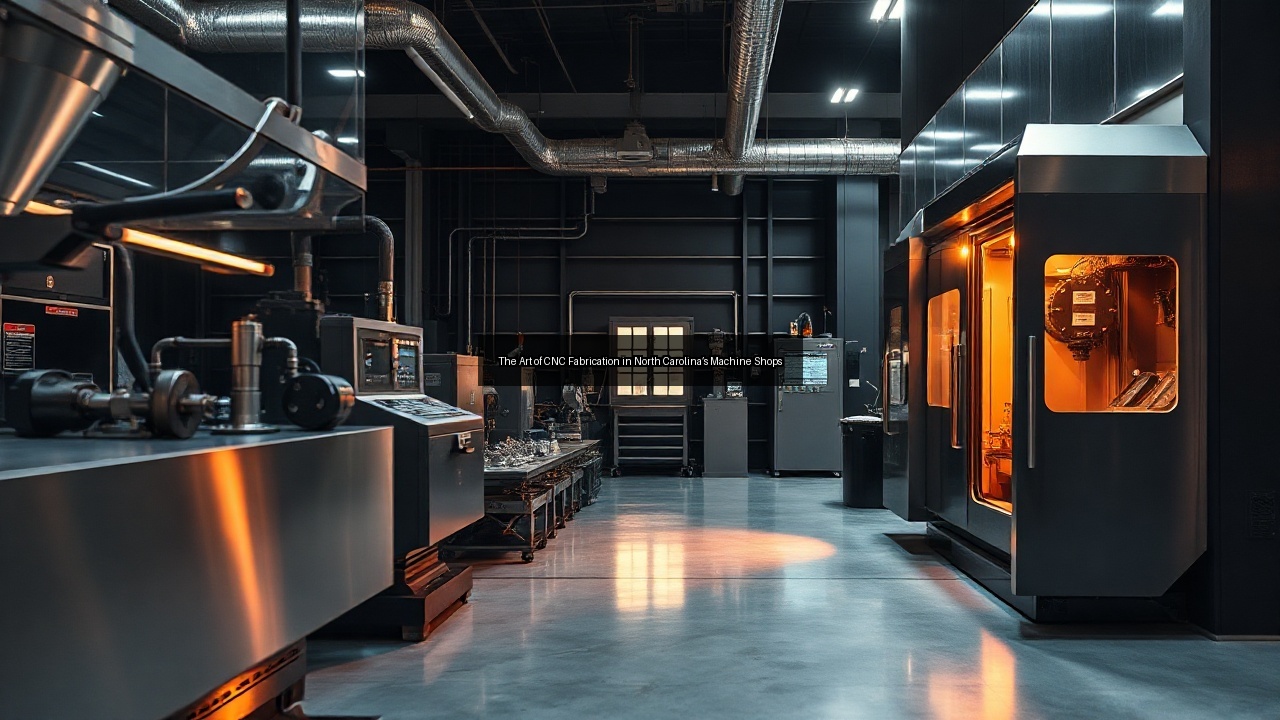
The Rise of CNC Machining in North Carolina
Historical Overview of CNC Machining in NC
CNC machining in North Carolina has evolved significantly since its inception in the mid-20th century. Initially, traditional machining methods dominated the landscape, requiring skilled labor for manual operations. The introduction of CNC (Computer Numerical Control) technology revolutionized this field, enabling machine shops to automate processes and improve precision. The state embraced this technological shift, driven by its robust manufacturing sector, particularly in aerospace and automotive industries. Over the decades, North Carolina has become a hub for CNC machining, fostering innovation and expanding capabilities in local machine shops.
Key Regions for CNC Machine Shops: Concord and Raleigh
Concord and Raleigh stand out as key regions for CNC machining in North Carolina. Concord, located just outside Charlotte, boasts a concentration of CNC machine shops that cater to various industries, including automotive and medical device manufacturing. The accessibility to major highways and proximity to Charlotte’s bustling economy enhance Concord's appeal for CNC operations. On the other hand, Raleigh, the state capital, is home to numerous tech startups and research institutions. This synergy fosters a unique environment where CNC machining and advanced manufacturing technologies thrive, driving demand for precision fabrication across diverse sectors.
Impact of CNC Technology on Local Fabrication Industries
The impact of CNC technology on local fabrication industries in North Carolina is profound. CNC machines enable manufacturers to produce complex parts with high accuracy and repeatability, significantly reducing production times and north carolina cnc machining waste. Industries that rely on metal fabrication, such as aerospace and defense, have seen substantial improvements in their operational efficiency. Furthermore, CNC machining allows for rapid prototyping, enabling businesses to bring products to market faster. This technological advancement not only boosts productivity but also enhances the competitiveness of North Carolina’s manufacturing sector on a national and global scale.
Understanding CNC Machines and Their Applications
Types of CNC Machines Used in North Carolina
North Carolina's machine shops employ various types of CNC machines to meet diverse manufacturing needs. CNC milling machines are prevalent, allowing for precise cutting and shaping of materials, particularly metals. CNC lathes, another critical type, facilitate the turning of materials, making them ideal for producing cylindrical parts. Additionally, CNC plasma cutters and laser cutting machines are gaining traction for their ability to handle intricate designs and thick materials. This diverse array of CNC machines ensures that North Carolina's fabrication sectors can tackle projects ranging from simple components to complex assemblies, reflecting the state's commitment to advanced manufacturing.
The Role of CNC Mills and Lathes in Modern Fabrication
CNC mills and lathes play a pivotal role in modern fabrication processes across North Carolina. NC cnc machining CNC mills utilize rotary cutters to remove material from a workpiece, allowing for the creation of detailed shapes and designs. This versatility makes CNC milling essential for industries like aerospace, where precision is paramount. CNC lathes, on the other hand, excel in producing symmetrical shapes, such as shafts and discs, making them indispensable in automotive manufacturing. The integration of these machines into fabrication workflows enhances productivity and ensures that local manufacturers can deliver high-quality products that meet stringent industry standards.
Precision Tolerance: Ensuring Quality in CNC Machining
Precision tolerance remains a cornerstone of CNC machining in North Carolina. High tolerance levels are crucial for industries that produce components for aerospace, medical devices, and other high-stakes applications. CNC machines operate with exceptional accuracy, often achieving tolerances of ±0.001 inches or better. This level of precision ensures that parts fit together seamlessly, reducing the risk of failure in critical applications. North Carolina’s CNC machine shops prioritize quality control processes, utilizing advanced measurement tools and techniques to verify that machined components meet or exceed specified tolerances. This commitment to precision solidifies the state's reputation as a leader in CNC machining.
The CNC Machinist: Skills and Expertise
Training and Education for CNC Machinists in North Carolina
Training and education for CNC machinists in North Carolina have adapted to the evolving needs of the industry. Technical colleges and vocational schools offer specialized programs that combine theoretical knowledge with hands-on experience. These programs cover essential topics such as CNC programming, machine operation, and maintenance. Additionally, apprenticeships provide real-world experience, allowing aspiring machinists to learn from seasoned professionals. The state's commitment to workforce development ensures that CNC machinists are equipped with the skills necessary to excel in a competitive job market, addressing the growing demand for skilled labor in CNC machining.
Challenges Faced by CNC Machinists in the Industry
CNC machinists in North Carolina encounter several challenges as they navigate the complexities of modern manufacturing. Rapid technological advancements require machinists to continually update their skills, particularly in programming and operating state-of-the-art CNC machines. Additionally, the rise of automation and artificial intelligence introduces competition, compelling machinists to adapt or risk obsolescence. Quality control also presents a challenge; maintaining precision while managing production schedules demands a delicate balance. Despite these obstacles, skilled CNC machinists remain in high demand, as their expertise is vital for producing high-quality components across various industries.
Career Opportunities in CNC Machining and Fabrication
Career opportunities in CNC machining and fabrication abound in North Carolina. As manufacturers continue to invest in advanced technologies, the need for skilled CNC machinists grows. Positions range from entry-level operators to advanced programmers and machinists who specialize in complex processes like CNC turning and milling. Moreover, opportunities exist in management and quality assurance, appealing to those looking to advance their careers. The state's strong manufacturing base, coupled with a supportive educational framework, positions North Carolina as an attractive destination for individuals pursuing careers in CNC machining and fabrication.
Future Trends in CNC Fabrication and Machining
State-of-the-Art Technologies in CNC Machines
The future of CNC machining in North Carolina hinges on the adoption of state-of-the-art technologies. Innovations such as 5-axis milling, which allows for the machining of complex geometries in a single setup, are becoming increasingly prevalent. Additionally, advancements in software for CNC programming enhance automation and streamline workflows, reducing lead times and costs. Industry 4.0 technologies, including IoT integration and real-time monitoring systems, enable machine shops to optimize operations and improve productivity. As North Carolina continues to embrace these emerging technologies, its CNC machining sector will likely set new standards for efficiency and innovation.
The Growing Demand for Metal Fabrication and Titanium Alloys
North Carolina's CNC machining industry is witnessing a growing demand for metal fabrication, particularly in the aerospace and medical sectors. The use of NC cnc machining titanium alloys, known for their strength and lightweight properties, is on the rise. CNC machines excel at machining these materials, which require precise handling due to their unique characteristics. As industries increasingly seek to utilize advanced materials, CNC machine shops in North Carolina are well-positioned to meet this demand, providing high-quality machined components that adhere to strict industry specifications. This trend not only drives innovation but also strengthens the state's reputation as a leader in metal fabrication.
Sustainability and Innovation in North Carolina's CNC Industry
Sustainability and innovation are pivotal themes shaping the future of North Carolina's CNC machining industry. Machine shops are increasingly implementing eco-friendly practices, such as recycling metal scrap and optimizing energy consumption. The shift towards sustainable manufacturing not only aligns with global trends but also appeals to environmentally conscious consumers and businesses. Furthermore, innovation in CNC machining processes, including the use of biodegradable cutting fluids and energy-efficient machines, underscores the industry's commitment to reducing its environmental footprint. As North Carolina embraces these principles, its CNC sector will likely lead the way in sustainable manufacturing practices.