Exploring the Advantages of Compression Molded Products
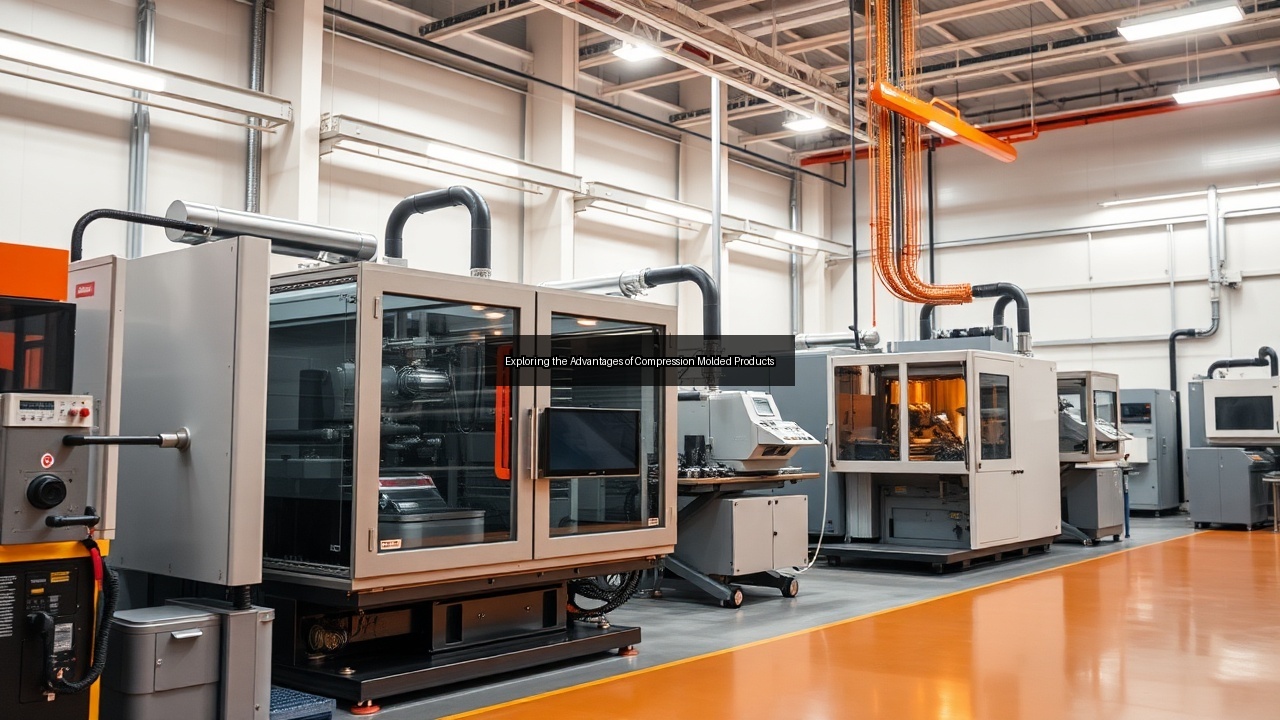
Understanding Compression Molding Processes
Overview of Compression Molding
Compression molding is a manufacturing process used to create various products from thermosetting and thermoplastic materials. This technique involves placing a pre-measured amount of material into a heated mold cavity. As heat and pressure are applied, the material flows to fill the mold, curing or solidifying to form the desired shape. This method stands out for its efficiency in producing high-quality components with consistent properties. Compression molded products are widely used in industries ranging from automotive to consumer goods, showcasing the versatility and effectiveness of this process.
Key Components of Compression Molds
Compression molds consist of several essential components that facilitate the molding process. The primary parts include the upper and lower mold halves, which define the shape of the final product. Additionally, mold inserts may be used to create specific features or details. Heating elements, often integrated into the mold, maintain the necessary temperatures for material curing. Other components like venting systems allow for the escape of air and gases during the molding cycle, ensuring optimal filling of the mold. Understanding these components helps in appreciating the intricacies of the compression molding process.
Comparison with Other Molding Techniques
Compression molding differs significantly from other molding techniques, such as injection molding and blow molding. Unlike injection molding, which injects molten material into a mold under high pressure, compression molding relies on material preheating and pressure application. This makes compression molding particularly advantageous for producing larger parts with thicker walls. Additionally, compression molded products often showcase superior material strength compared to counterparts produced through injection molding. While each technique has its strengths and weaknesses, compression molding shines in scenarios where durability and material integrity are paramount.
Benefits of Compression Molded Products
Cost-Effectiveness in Manufacturing
Compression molded products offer significant cost advantages in manufacturing. The initial setup costs for compression molds can be lower than those required for injection molding systems, especially for low to medium production runs. This affordability makes compression molding an attractive option for startups and small businesses. Furthermore, the process minimizes material waste, as excess material can often be reused in subsequent cycles. The efficiency of compression molding leads to reduced labor costs and quicker turnaround times, enhancing overall profitability for manufacturers and clients alike.
Enhanced Material Properties
Compression molded products often exhibit enhanced material properties, making them suitable for demanding applications. The controlled heating and pressure during the molding process lead to improved dimensional stability and strength. Additionally, the process allows manufacturers to incorporate various materials, including plastics that exhibit excellent resistance to heat, chemicals, and wear. This versatility enables the production of components that can withstand extreme conditions, particularly in automotive and industrial applications. The ability to customize material properties enhances the performance and longevity of compression molded products.
Versatility in Design and Applications
Compression molding offers remarkable design versatility, accommodating a wide range of shapes and sizes. Manufacturers can create intricate designs, complex geometries, and various surface textures with ease. This flexibility makes compression molding suitable for diverse applications, from consumer products to specialized industrial components. Industries such as automotive, electronics, and healthcare benefit greatly from the adaptability of compression molded products. The ability to produce customized solutions, such as unique hardware fittings or O-rings, further underscores the importance of compression molding in modern manufacturing.
Applications of Compression Molding in Various Industries
Use in Food and Beverage Packaging
Compression molding plays a significant role in the food and beverage industry, particularly in packaging solutions. Manufacturers utilize this technique to create durable and safe containers that protect products while maintaining compliance with health regulations. Compression molded materials can be formulated to resist moisture and chemicals, ensuring that food items remain fresh and uncontaminated. Additionally, the lightweight nature of compression molded packaging reduces transportation costs and environmental impact. As demand for sustainable packaging continues to rise, compression molding offers innovative solutions tailored to industry needs.
Role in Medication Delivery Systems
In the healthcare sector, compression molded products find applications in medication delivery systems. Components such as drug delivery devices and packaging for pharmaceuticals benefit from the precision and reliability of the compression molding process. The ability to customize properties, such as barrier protection and compatibility with various medications, enhances the effectiveness of these systems. Moreover, the consistent quality of compression molded parts ensures that healthcare providers can rely on these products for safe and effective patient care. Innovations in compression molding technology continue to drive advancements in medication delivery solutions.
Hardware and O-Ring Manufacturing
Compression molding is particularly advantageous for manufacturing hardware components and O-rings. The process allows for the production of high-precision parts that meet stringent industry standards. O-rings, essential for sealing applications, benefit from the enhanced material properties achieved through compression molding. Manufacturers can tailor the elastomeric materials used in these components to provide optimal performance in various environments, including high-pressure and high-temperature settings. The reliability and durability of compression molded hardware make them indispensable in sectors such as automotive, aerospace, and industrial machinery.
Selecting the Right Compression Molding Service
Factors to Consider When Choosing Manufacturers
Selecting the right compression molding service involves careful consideration of several factors. Start by evaluating the manufacturer’s experience and expertise in the field. Look for a company that specializes in compression molding and has a proven track record of delivering high-quality products. Assess their production capabilities, including the ability to handle complex designs and large volumes. Additionally, research customer reviews and testimonials to gauge their reputation in the industry. A manufacturer that prioritizes customer satisfaction will likely provide better service and support throughout the molding process.
Importance of Quality Control in Compression Molding
Quality control plays a critical role in the compression molding process. Effective quality assurance measures ensure that every product meets the required specifications and industry standards. Manufacturers should implement rigorous testing protocols at various stages of production, including material selection, mold design, and finished product inspection. This commitment to quality not only enhances the reliability of compression molded products but also fosters trust with clients. By prioritizing quality control, manufacturers can minimize defects, reduce waste, and deliver products that consistently meet customer expectations.
Future Trends in Compression Molding Services
The future of compression molding services looks promising, with several trends shaping the industry. The integration of advanced technologies, such as automation and data analytics, will streamline production processes and improve efficiency. Manufacturers are increasingly adopting sustainable practices, including the use of eco-friendly materials and energy-efficient machinery. Additionally, innovations in material science will expand the range of applications for compression molded products, particularly in industries like healthcare and electronics. Staying ahead of these trends will position manufacturers to meet evolving market demands and enhance their competitive edge.