Behind the Scenes of Custom Spun Hemispheres in Manufacturing
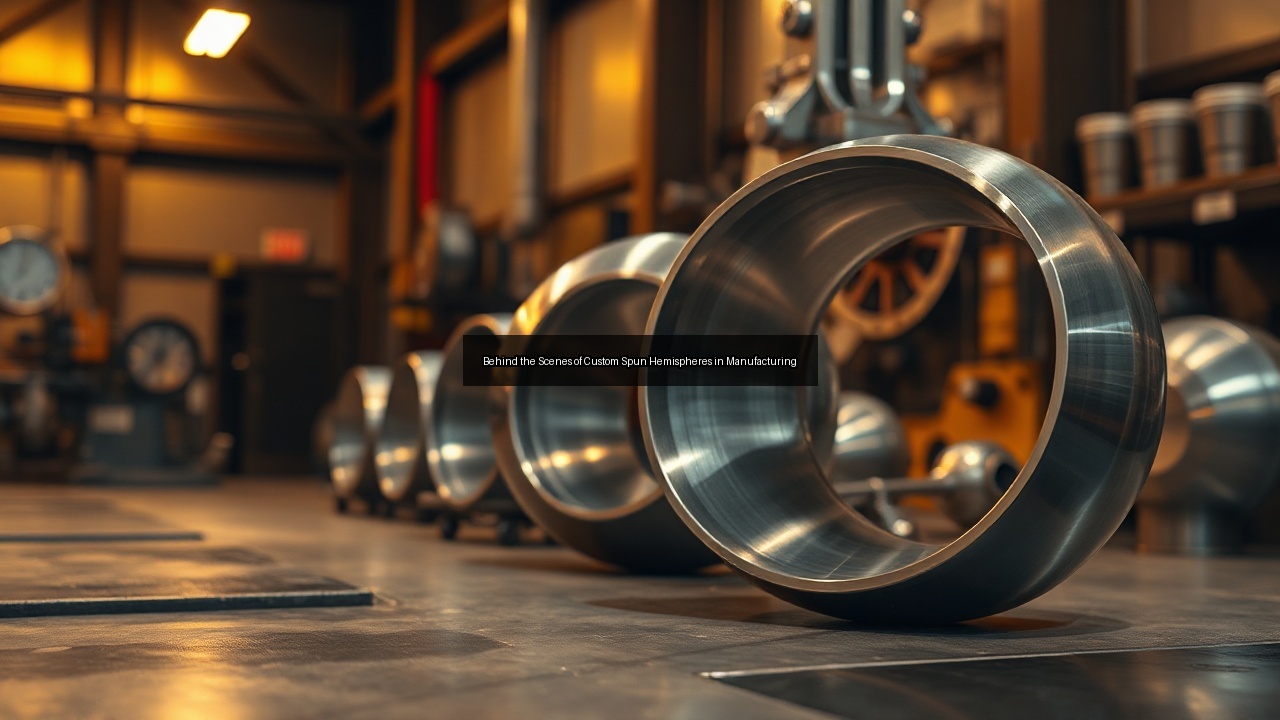
The Art and Science of Custom Spun Hemispheres
Understanding Metal Spinning
Metal spinning, a technique rooted in both art and engineering, transforms flat metal discs into complex shapes through a rotational process. This method, particularly effective for creating custom spun hemispheres, utilizes a lathe to spin the metal at high speeds. As the metal rotates, a skilled machinist applies pressure with a tool to shape it into the desired form. This technique stands out for its ability to produce seamless, symmetrical components efficiently, making it ideal for custom applications. Unlike traditional machining, which cuts away material, metal spinning retains the integrity of the metal, minimizing waste. The result is a finely crafted product that boasts both aesthetic appeal and functional prowess.
Materials Used in Spun Hemispheres
Custom spun hemispheres often utilize a variety of metals, with spun aluminum being one of the most popular choices. Aluminum’s lightweight nature and resistance to corrosion make it ideal for applications ranging from aerospace to decorative design. Other metals, such as stainless steel and iron, also find their place in this process, offering unique properties suitable for specific industries. Stainless steel, known for its strength and durability, is often preferred in environments that require high resistance to wear and tear. Each material contributes distinct advantages, enabling manufacturers to tailor their products for various purposes. Understanding these materials helps machinists optimize their designs and ensure the finished product meets the exact specifications required by clients.
The Manufacturing Process of Custom Spun Hemispheres
Step-by-Step Guide to Metal Spinning
The manufacturing of custom spun hemispheres follows a meticulously planned process that guarantees precision and quality. First, manufacturers select the appropriate metal based on the product's intended use. Once the metal disc is cut to the desired size, it undergoes a heating process to enhance malleability. The softened metal is then mounted onto a spinning lathe. As the lathe rotates the disc, a machinist skillfully applies a forming tool against the metal's surface, gradually shaping it into a hemisphere. This step requires a keen eye and steady hands, as the machinist must monitor the pressure applied to avoid deformities. After achieving the desired shape, the hemisphere is cooled, trimmed, and polished to achieve a perfect finish. The final product undergoes rigorous inspections to ensure it meets all technical specifications and quality standards.
Machinists: The Craftsmen Behind the Process
Machinists play a pivotal role in the production of custom spun hemispheres, blending technical skill with artistry. These craftsmen possess a deep understanding of metalworking principles and the intricacies of the metal spinning process. Training in various machining techniques equips them to handle different metals, including spun aluminum and stainless steel, ensuring versatility in their work. The ability to read and interpret engineering drawings is crucial, as it allows machinists to bring complex designs to life. Each machinist’s expertise directly impacts the quality of the final product. Their attention to detail ensures that every hemisphere meets the specific requirements, whether for industrial applications or artistic pursuits. This craftsmanship not only elevates the manufacturing process but also fosters innovation in design.
Quality Control in Custom Hemisphere Production
Quality control is integral to the manufacturing of custom spun hemispheres. It ensures that each product adheres to stringent specifications and standards. The process begins with initial inspections of raw materials, confirming that they meet necessary quality benchmarks. During production, machinists perform in-process checks to identify any inconsistencies or defects early on. After shaping the hemispheres, additional inspections assess dimensions, surface finish, and structural integrity. Advanced measurement tools, such as calipers and gauges, aid in this evaluation. Any product failing to meet quality standards is reworked or scrapped to maintain the overall integrity of the batch. This rigorous quality control process not only enhances customer satisfaction but also builds a reputation for reliability in the marketplace.
Applications and Benefits of Custom Spun Hemispheres
Industries Utilizing Spun Aluminum Hemispheres
Custom spun hemispheres find applications across a myriad of industries, showcasing their versatility and functionality. In the aerospace sector, spun aluminum hemispheres serve critical roles in fuel tanks and engine components, benefiting from aluminum's lightweight properties and resistance to corrosion. The automotive industry also relies on these hemispheres for various parts, including decorative elements and functional components. Additionally, architectural firms use custom spun hemispheres in lighting fixtures and structural elements, where aesthetic appeal is paramount. The medical field has also embraced this technology, employing spun hemispheres in devices and equipment requiring precise manufacturing. The ability to customize these hemispheres for specific applications enhances their value, making them indispensable across diverse sectors.
Advantages of Customization in Metalworking
Customization in metalworking, particularly with custom spun hemispheres, offers several advantages that set it apart from standard manufacturing processes. Customization allows manufacturers to meet specific client needs, providing tailored solutions that enhance functionality and design. This flexibility fosters innovation, enabling the creation of unique products that stand out in the marketplace. Moreover, custom spun hemispheres often result in reduced lead times, as manufacturers can streamline production processes to fit individual project requirements. The precision of metal spinning minimizes waste, making it a cost-effective option for clients. Ultimately, customization not only meets the immediate demands of various industries but also drives advancements in metalworking technologies.
Future Trends in Spun Hemisphere Manufacturing
Innovations in Spinning Techniques
The future of custom spun hemisphere manufacturing is poised for exciting innovations that enhance efficiency and quality. Advanced computer numerical control (CNC) technology is transforming traditional metal spinning processes, allowing for greater precision and automation. CNC systems enable machinists to program complex designs into the machinery, resulting in consistent reproduction of intricate shapes. Additionally, advancements in materials science are leading to the development of new alloys that are lighter, stronger, and more malleable. These innovations not only improve the performance of spun hemispheres but also expand their applications across industries. As technology continues to evolve, manufacturers who adopt these innovations will maintain a competitive edge, delivering superior products to their clients.
Sustainability in Metalworking Practices
Sustainability has emerged as a critical focus in metalworking practices, including the manufacturing of custom spun hemispheres. Companies are increasingly adopting eco-friendly methods that reduce waste and energy consumption. Techniques such as recycling scrap metal and utilizing energy-efficient machinery contribute to a greener manufacturing process. Additionally, the development of biodegradable coatings and finishes for spun products minimizes environmental impact. Manufacturers are also exploring sustainable sourcing of materials, opting for metals that support responsible mining practices. By embracing sustainability, the industry not only aligns with global environmental goals but also appeals to a growing base of environmentally conscious consumers. This commitment to sustainable practices positions manufacturers as leaders in a rapidly evolving market.